Blog
A deep-dive into a variety of pension topics to help you understand and learn more about your pension and the Scheme.

 I'm new to the Scheme
10 things to know about pensions
Nominations for death benefits
Saving more
Pension tax limits
Transferring in or out
The State Pension
Pension scams
Divorce and my pension
Guidance and advice
I'm still working
Joining and auto-enrolment
I'm new to the Scheme
Benefits of my membership
My payments
Saving more
My circumstances have changed
Severance and redundancy
Leaving the Scheme and opting-out
I'm planning to take my pension
How much I'll need for retirement
When to retire
Staying in work
Ways to take my pension
Making the right decision
Applying for my pension
Transferring my pension
Guidance and advice
Watch out for pension scams
I'm already taking my pension
My pension payments and P60s
Annual pension increase
Updating my bank details
My pension when I die
Working after I take my pension
The State Pension
Useful contacts
Penfriend
Saving more with BRASS or AVC Extra
I'm still working
Joining and auto-enrolment
I'm new to the Scheme
How the IWDC Section works
Benefits of my membership
My payments
Saving more
My circumstances have changed
Severance and redundancy
Leaving the Scheme and opting out
Managing my investments
Investing: the basics I need to know
My fund choices
Fund risk ratings
Fund prices and performance
My Target Retirement Age
I'm planning to take my IWDC pot
Help and Support
Retirement Budgeting Calculator
Read as You Need guides
Video library
Glossary
FAQs
DB member forms
IWDC member forms
Get in touch
Reporting the death of an RPS member
How to give us feedback or make a complaint
My communication preferences
Financial wellness support
Pension webinars
News and views
About the Scheme
Investments
I'm new to the Scheme
10 things to know about pensions
Nominations for death benefits
Saving more
Pension tax limits
Transferring in or out
The State Pension
Pension scams
Divorce and my pension
Guidance and advice
I'm still working
Joining and auto-enrolment
I'm new to the Scheme
Benefits of my membership
My payments
Saving more
My circumstances have changed
Severance and redundancy
Leaving the Scheme and opting-out
I'm planning to take my pension
How much I'll need for retirement
When to retire
Staying in work
Ways to take my pension
Making the right decision
Applying for my pension
Transferring my pension
Guidance and advice
Watch out for pension scams
I'm already taking my pension
My pension payments and P60s
Annual pension increase
Updating my bank details
My pension when I die
Working after I take my pension
The State Pension
Useful contacts
Penfriend
Saving more with BRASS or AVC Extra
I'm still working
Joining and auto-enrolment
I'm new to the Scheme
How the IWDC Section works
Benefits of my membership
My payments
Saving more
My circumstances have changed
Severance and redundancy
Leaving the Scheme and opting out
Managing my investments
Investing: the basics I need to know
My fund choices
Fund risk ratings
Fund prices and performance
My Target Retirement Age
I'm planning to take my IWDC pot
Help and Support
Retirement Budgeting Calculator
Read as You Need guides
Video library
Glossary
FAQs
DB member forms
IWDC member forms
Get in touch
Reporting the death of an RPS member
How to give us feedback or make a complaint
My communication preferences
Financial wellness support
Pension webinars
News and views
About the Scheme
Investments
Our blogs will give you information, tips, insights and guidance to help you get to know your pension and support you on your journey to retirement.


 <p>The International Women’s Day (IWD) organisation invites us to take part in the ‘<a data-sf-ec-immutable="" target="_blank" href="https://www.internationalwomensday.com/Theme">Accelerate Action for gender equality</a>’ campaign, which calls to address barriers and biases women face in all walks of life, at a faster pace. You can learn more about IWD and how you can get involved by visiting <a data-sf-ec-immutable="" target="_blank" href="https://www.internationalwomensday.com/">internationalwomensday.com.</a><br></p><p>March is also <a href="https://womenshistorymonth.gov/" target="_blank" data-sf-ec-immutable="" data-sf-marked="">Women’s History Month</a>, a chance celebrate women of the past and present day, who’s far-reaching, varied and exceptional contributions to the world often go under-recognised. <br></p><p>Here, we look at incredible women who played a huge hand in rail innovation and see how significant events in the 20th century created greater opportunities for women in rail.<br></p><p><strong>The late 19<sup>th</sup> century </strong><br></p><p>Before they could vote, women were involved in inventions that transformed the rail industry. <br></p><p><strong>Eliza Murfey </strong>was one such woman, and was both a physician and an inventor. Murfey is said to have recorded 30 patents for her inventions, though only 23 have been confirmed by historians. <br></p><p>In the 1870s, Murfey invented several devices that made travelling by rail safer, including ‘packings,’ which lubricated railcar bearings, pistons, and axles, to prevent derailments. She then went on to become a prolific mechanical engineer.<br></p><p>1872 saw <strong>E.F. Sawyer</strong> become the first female telegraph operator, hired by the Burlington Railroad in Montgomery, Illinois. This role helped to prevent train collisions, through transmitting important information. Sawyer’s role as a telegraph operator paved the way for future women to enter the field of communications, such as telephone operator <strong>Emma Nutt</strong>, in 1878. <br></p><p>In 1879, inventor <strong>Mary Elizabeth Walton</strong> was given 2 patents for her pollution reduction devices. She created a system that deflected emissions from the smoke stacks on railroad locomotives, and directed emissions through water tanks to trap pollutants, taking them to the sewage system. <br></p><p>Walton also invented a system to reduce the noise pollution of elevated rails, that used sand and cotton in a wooden box around an elevated track. Interestingly, Thomas Edison was trying to invent a similar device, but Walton came up with the method and solution first.<br></p><p><strong>The 20<sup>th</sup> Century and the World Wars</strong><br></p><p>Gender roles were rigid in society before the World Wars. At the start of the 20<sup>th</sup> Century, there were just 4,564 women employed in Britain’s railways, representing less than 1% of the total workforce. If women did work in rail, it was often in roles that were ascribed to their gender. <br></p><p>But when the World Wars happened, in order to release some male workers to the front, railway companies became one of the first major employers to recruit women. British railway companies employed 55,942 women in the First World War, who often received little training, learnt on the job, and were given much lower pay than the male workers. <br></p><p>These women played pivotal roles in sustaining and evolving the rail industry while men were at war, taking on a variety of roles such as ticket collectors, clerics, and physically labouring roles as engine cleaners and station porters. <br></p><p>Although the 20<sup>th</sup> Century saw a significant rise in women working in the rail industry, they were often expected to resign when they got married, or when men returned home from the war.<br></p><p><strong>The present day</strong><br></p><p>Today, women account for around 1 in 5 of the railway work force. Organisations like <a data-sf-ec-immutable="" target="_blank" href="https://womeninrail.org/">Women in Rail</a> are striving to increase diversity in the rail industry by providing networking and career opportunities to women, as well as encouraging key stakeholders to implement it as part of their strategies.<br></p><p>They’re also coming up with initiatives to make working in rail more appealing to women, recognizing the important functions diversity, inclusion and equality have, when it comes to innovation. <strong></strong><br></p><p><strong>A few closing words from your Trustee Chair, Christine Kernoghan</strong><br></p><p>The Scheme’s Trustee Chair, Christine Kernoghan has over 40 years’ experience working in rail and pensions, including roles in project management, operations, and people management. <br></p><p>Commenting on what has helped her to achieve long-standing success in a male-dominated industry, she says: “When I started, there weren’t many women in the room, but the mentors and coaches helped me a lot. I learned very early on that you're only as good as the team that supports you and the teams I’ve worked with over the years have been fantastic.<br></p><p>"My intention has always been to do a good job and to aspire to high standards. Pensions and the railway are both people industries, so clear communication is absolutely key.”<br></p><p>And while it can sometimes feel like there is only one route to success, Christine adds: “You don't necessarily have to climb straight up the career ladder. You can go sideways as well.” <br></p>
The International Women’s Day (IWD) organisation invites us to take part in the ‘Accelerate Action for gender equality’ campaign, which calls to address barriers and biases women face in all walks of life, at a faster pace. You can learn more about IWD and how you can get involved by visiting internationalwomensday.com.
March is also Women’s History Month, a chance celebrate women of the past and present day, who’s far-reaching, varied and exceptional contributions to the world often go under-recognised.
Here, we look at incredible women who played a huge hand in rail innovation and see how significant events in the 20th century created greater opportunities for women in rail.
The late 19th century
Before they could vote, women were involved in inventions that transformed the rail industry.
Eliza Murfey was one such woman, and was both a physician and an inventor. Murfey is said to have recorded 30 patents for her inventions, though only 23 have been confirmed by historians.
In the 1870s, Murfey invented several devices that made travelling by rail safer, including ‘packings,’ which lubricated railcar bearings, pistons, and axles, to prevent derailments. She then went on to become a prolific mechanical engineer.
1872 saw E.F. Sawyer become the first female telegraph operator, hired by the Burlington Railroad in Montgomery, Illinois. This role helped to prevent train collisions, through transmitting important information. Sawyer’s role as a telegraph operator paved the way for future women to enter the field of communications, such as telephone operator Emma Nutt, in 1878.
In 1879, inventor Mary Elizabeth Walton was given 2 patents for her pollution reduction devices. She created a system that deflected emissions from the smoke stacks on railroad locomotives, and directed emissions through water tanks to trap pollutants, taking them to the sewage system.
Walton also invented a system to reduce the noise pollution of elevated rails, that used sand and cotton in a wooden box around an elevated track. Interestingly, Thomas Edison was trying to invent a similar device, but Walton came up with the method and solution first.
The 20th Century and the World Wars
Gender roles were rigid in society before the World Wars. At the start of the 20th Century, there were just 4,564 women employed in Britain’s railways, representing less than 1% of the total workforce. If women did work in rail, it was often in roles that were ascribed to their gender.
But when the World Wars happened, in order to release some male workers to the front, railway companies became one of the first major employers to recruit women. British railway companies employed 55,942 women in the First World War, who often received little training, learnt on the job, and were given much lower pay than the male workers.
These women played pivotal roles in sustaining and evolving the rail industry while men were at war, taking on a variety of roles such as ticket collectors, clerics, and physically labouring roles as engine cleaners and station porters.
Although the 20th Century saw a significant rise in women working in the rail industry, they were often expected to resign when they got married, or when men returned home from the war.
The present day
Today, women account for around 1 in 5 of the railway work force. Organisations like Women in Rail are striving to increase diversity in the rail industry by providing networking and career opportunities to women, as well as encouraging key stakeholders to implement it as part of their strategies.
They’re also coming up with initiatives to make working in rail more appealing to women, recognizing the important functions diversity, inclusion and equality have, when it comes to innovation.
A few closing words from your Trustee Chair, Christine Kernoghan
The Scheme’s Trustee Chair, Christine Kernoghan has over 40 years’ experience working in rail and pensions, including roles in project management, operations, and people management.
Commenting on what has helped her to achieve long-standing success in a male-dominated industry, she says: “When I started, there weren’t many women in the room, but the mentors and coaches helped me a lot. I learned very early on that you're only as good as the team that supports you and the teams I’ve worked with over the years have been fantastic.
"My intention has always been to do a good job and to aspire to high standards. Pensions and the railway are both people industries, so clear communication is absolutely key.”
And while it can sometimes feel like there is only one route to success, Christine adds: “You don't necessarily have to climb straight up the career ladder. You can go sideways as well.”

12/7/2022
Editorial
<p>Women in 2022 would need to work 18 more years full-time to save the same amount into their pension as men, according to research*. </p><p><span style="background-color: rgba(0, 0, 0, 0); color: inherit; font-family: inherit; font-size: inherit; text-align: inherit; text-transform: inherit; white-space: inherit; word-spacing: normal; caret-color: auto">The average pension savings of a 65-year-old woman today is just 20 per cent of the average pension savings of a 65-year-old man.</span><br></p><p>While the average UK pension savings have nearly doubled to £111,600, women’s pension savings have hardly increased at all.</p><p> Global life expectancy rates show the average woman living 5 years longer than men, so in fact women should be saving more, not less!</p><h3><span style="background-color: rgba(0, 0, 0, 0); color: inherit; font-family: "Open Sans Condensed", sans-serif; font-size: var(--font-size-h3); font-weight: bold; text-align: inherit; text-transform: inherit; white-space: inherit; word-spacing: normal; caret-color: auto">Why is there such a wide gender gap in pension savings?</span></h3><p><span style="background-color: rgba(0, 0, 0, 0); color: inherit; font-family: "Open Sans Condensed", sans-serif; font-size: var(--font-size-h3); font-weight: bold; text-align: inherit; text-transform: inherit; white-space: inherit; word-spacing: normal; caret-color: auto"></span>There are numerous reasons but here are the main ones:</p><ul><li>Despite women’s employment rate currently being the highest since records began (72.7%), women are more likely to work part-time. This is usually because they’re more often the main carer for ill and elderly relatives and take time out for small children. <p> </p></li><li>Because women spend on average 10 years away from work due to caring responsibilities, this adds to the gender pay and pensions gap by offering fewer opportunities for career progression and higher salaries, according to the report. <p> </p></li><li>One in six women don’t currently qualify for automatic enrolment as they earn below the current £10,000 per annum threshold which triggers auto-enrolment by the employer. <p> </p></li><li>The high cost of childcare is found to be a barrier for many women considering returning to work. </li></ul><h3>So what can you do to help yourself?</h3><ol><li> <span style="background-color: rgba(0, 0, 0, 0); color: inherit; font-family: inherit; text-align: inherit; text-transform: inherit; white-space: inherit; word-spacing: normal; caret-color: auto; font-size: inherit">The law states that if you earn below the threshold but between £6,240 and £10,000, you can ask your employer to join the Scheme and your employer must include you and pay contributions towards your pension savings.</span><p><br></p></li><li>If you’re enrolled in the Railways Pension Scheme, make sure you register for a myRPS account and really get involved with your pension, so you can take advantage of all the guidance and pension planning tools available to help you prepare wisely for retirement. <a href="https://member.railwayspensions.co.uk/login" data-sf-ec-immutable="">Register and/or log in</a> and check your account today! <p> </p></li><li>Don’t forget your national insurance credits. Many benefits, including child benefits, automatically give you NI credit. Some women don’t sign up for child benefit because if their partner earns over £50,000 they would have to start paying it back. But you don’t need to actually receive the cash – you can just sign up to ensure your NI record and then your State Pension will be protected. <p> </p></li><li>You could consider extending your working life. Your Railways Pension Scheme pension will offer you a Normal Retirement Age (NRA). <a href="https://member.railwayspensions.co.uk/login" data-sf-ec-immutable="">Log in to your myRPS</a> to check what yours is and think about extending it.<p> </p></li><li>Putting in a small, extra regular amount now into AVCs (Additional Voluntary Contributions), could go a long way towards a better future. You can put as little as £2 extra per week. This means you make the most of the valuable tax relief you get and the longer you have your money invested, the more chance it has to grow. If you’re a DB member of the RPS, the main AVC scheme is called <a href="/defined-benefit-members/saving-more-BRASS-AVC-Extra/saving-more-with-BRASS">BRASS</a>. For IWDC members, you can <a href="/iwdc-members/Im-still-working/saving-more">save more with AVCs</a>. <p> </p></li><li>If you’ve had a number of different jobs, don’t forget to check that you’ve kept track of all your past pension schemes. The Pension Tracing Service is free and can help you find a pension you’ve lost. Go to <a href="https://www.gov.uk/find-pension-contact-details" data-sf-ec-immutable="" data-sf-marked="" target="_blank">https://www.gov.uk/find-pension-contact-details</a> and follow the online steps.<p> </p></li><li>If you’re a woman working in the railways, why not join <a href="https://womeninrail.org/" data-sf-ec-immutable="" data-sf-marked="" target="_blank">Women in Rail</a>? Women in Rail was created to improve diversity in the UK rail industry through providing networking opportunities and support for all women within the sector. There are regional branches across England and Scotland and the groups offer events, career opportunities, news, mentoring and awards. Women in Rail may not directly help you to boost your pension, but you’ll join like-minded women in rail and receive support and guidance.</li></ol><p><span style="background-color: rgba(0, 0, 0, 0); color: inherit; font-family: inherit; font-size: inherit; text-align: inherit; text-transform: inherit; white-space: inherit; word-spacing: normal; caret-color: auto">*The Gender Pensions Gap Report 2022 by Now Pensions and the Pensions Policy Institute (PPI)</span><br></p><p> </p>
Ladies, here are 7 ways to boost your pension.
19/1/2023
Editorial
<div><p> </p><p>With nearly 40 years in the railway industry and over 20 years’ involvement in the railway pension schemes, Christine’s years in the industry have given her an invaluable understanding of your priorities and pension needs, to help you get the best retirement outcome. </p></div><div><br></div><div><p>We asked Christine to tell us what she enjoys most about her role and to share more with us about her experience in the industry. </p></div><div><br></div><div><strong>Christine, you bring a wealth of experience to your new role. Can you briefly explain what your background is and how you got to work in financial services and in pensions?</strong></div><div><br></div><div>During my railway career I have been lucky enough to have developed a wide range of skills, met and worked with staff in many different disciplines and at all levels of the rail industry. </div><div><br></div><div>I started as a ticket office and admin clerk, was a staff representative, a BR management trainee, worked in HR in engineering, undertook various project management roles and after privatisation joined the South West Trains franchise. Here, my roles included HR and payroll systems, pensions management, internal audit and 20 years as an employer representative on the Pensions Committee. I supported with passenger assistance in service disruption and special events. I also had roles in industry groups for pensions and rail staff travel.</div><div><br></div><div><p>This has given me a good understanding of the workings of the rail industry and the part pensions play in it.</p></div><div><p> </p></div><div><p><strong>What are your top three priorities as a Chair of the Trustee?</strong></p></div><p>1. Complete valuations for all sections to ensure we can pay pensions when due.</p><p>2. Continue to improve member support, online education and tools.</p><p>3. Ensure the Scheme carefully monitors risks, particularly within the current global financial markets, and we can act on any opportunities that present themselves.</p><p><strong style="background-color: initial; font-size: inherit; text-align: inherit; text-transform: inherit; white-space: inherit; word-spacing: normal; caret-color: auto"> </strong></p><p><strong style="background-color: initial; font-size: inherit; text-align: inherit; text-transform: inherit; white-space: inherit; word-spacing: normal; caret-color: auto">What do you enjoy most, or what are you most proud of in your job?</strong></p><div><p>I believe the schemes can and do make a difference in the lives of thousands of people in the rail industry and their families – it is great to be part of something that seeks to do that for generations to come.</p><p> </p></div><div><strong>Can you describe what a typical working day looks like for you?</strong></div><div><br></div><div>No one day is the same which makes the role both challenging and rewarding. </div><div><br></div><div>With so much happening in the world that can impact financial markets together with continual change to pension regulations, there is always something new for Trustees to understand and consider.</div><div><p><strong style="background-color: rgba(0, 0, 0, 0); color: inherit; font-size: inherit; text-align: inherit; text-transform: inherit; white-space: inherit; word-spacing: normal; caret-color: auto"> </strong></p><p><strong style="background-color: rgba(0, 0, 0, 0); color: inherit; font-size: inherit; text-align: inherit; text-transform: inherit; white-space: inherit; word-spacing: normal; caret-color: auto">What would you say to someone who is thinking about becoming a Pension Trustee in future?</strong><br></p></div><div>A lack of pension knowledge is not a barrier to becoming a Trustee. You will get support and training to understand the world of pensions and investments.</div><div><br></div><div>The key to good Trustee decision is in the diversity of skills, experience, knowledge and the perspective each Trustee brings - as well as their passion. Trusteeship is not for everyone and does take a lot of commitment in terms of personal development, preparation and meetings. However, you will be making a meaningful difference to the future benefits of your colleagues in the rail industry.</div><div><br></div><div>You can learn more about the role and responsibilities of The Trustee on our website in ‘The Trustee’ section of ‘Joining the RPS’. </div><div><p> </p><p> </p><p> </p></div>
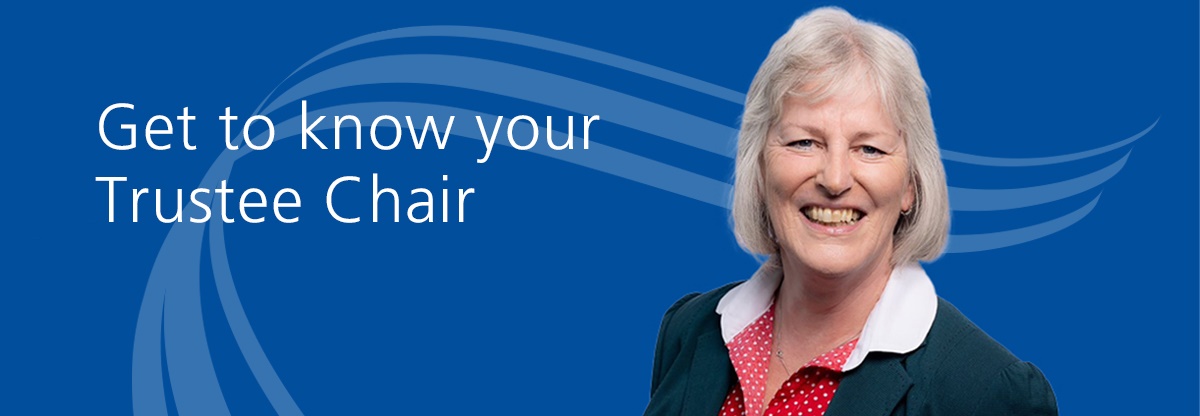
Discover more about our new Trustee Chair, Christine Kernoghan.
/website-blog---745x410px_parents-with-baby.jpg?sfvrsn=29ea0d8_1)
3/6/2026
Editorial
<div></div><div><br></div><div><p>Family leave (maternity, paternity, and adoption leave), as well as part-time working or taking a career break, can ultimately impact your pension contributions and pension benefits you receive. </p><p>Here’s a straightforward guide to what you need to know. You can jump to the relevant section of the article using the links below.</p><ul><li><a data-sf-ec-immutable="" href="#section1">Types of family leave</a></li><li><a data-sf-ec-immutable="" href="#section2">Your pension during family leave</a></li><li><a data-sf-ec-immutable="" href="#section3">Working part-time</a></li><li><a data-sf-ec-immutable="" href="#section4">How to make the most of your pension with the Scheme</a><br></li></ul><h3 id="section1">Types of family leave</h3><h4><span style="background-color: initial; font-size: inherit; text-align: inherit; text-transform: inherit; word-spacing: normal; caret-color: auto; white-space: inherit">Maternity pay and leave </span></h4></div><div><span style="background-color: initial; font-size: inherit; text-align: inherit; text-transform: inherit; word-spacing: normal; caret-color: auto; white-space: inherit">The following are your statutory rights, but your employer may have a different policy. </span></div><div><br></div><div>You are entitled to statutory maternity pay if you: </div><div><br></div><ul><li>have worked for your employer for 26 weeks when you reach the 15th week before your due date, and </li><li>earn on average at least £129 per week. </li></ul><div>You’ll be entitled to 52 weeks statutory maternity leave and receive statutory maternity pay for 39 weeks. For the first six weeks, you’ll get 90% of your average weekly earnings. For the next 33 weeks, you receive 90% of your weekly earnings, or £194.32 a week, whichever is lowest. The remaining 13 weeks are unpaid. </div><div><br></div><div>You don’t have to take the 52 weeks you’re entitled to, but you must take at least two weeks off work following the birth. </div><div><br></div><h4>Paternity leave </h4><div>Under the same rules as statutory maternity pay, you are entitled to two weeks’ statutory paternity pay. The weekly rate is £194.32 or 90% of your average weekly earnings, whichever is lower. </div><div><br></div><h4>Adoption leave </h4><div>If you’re adopting or having a child through surrogacy, you’re usually entitled to paid time off work. This is subject to the same rules and requirements (as above) for maternity pay and the pay structure is identical. </div><div><br></div><div>If you’re adopting as a couple, only one person can get adoption leave. The other might be able to get paternity leave or shared parental leave. </div><div><br></div><h4>Shared parental leave </h4><div>Alternatively, you and your partner may be able to get shared parental leave and statutory shared parental pay. You can share up to 50 weeks of leave and up to 37 weeks of pay between you. </div><div><br></div><div><h3 id="section2">Your pension during family leave </h3></div><div>Your pension Scheme membership will be continuous while you are off, unless you have an agreement with your employer for this to be different. Your pension contributions may change during family leave, because pension contributions are calculated using a percentage of your earnings. However, if you are in a defined benefit (DB) section of the Railways Pension Scheme, your pension benefits will not be affected. If you are in the Industry-Wide Defined Contribution (IWDC) Section, it will be affected by any reduction to the contributions paid in. </div><div><br></div><div>If your pay reduces to nil, then your contributions will stop and your pension benefits may be affected. Your employer may continue to pay them on your behalf, but you may have to pay these back once you return to work – you would need to arrange this directly with your employer. </div><div><br></div><div>While you’re on family leave, your pension benefits won’t be affected, as long as you haven’t opted out of your Scheme membership and contributions are paid. Your overall benefits will still be based on your final average pay. </div><div><br></div><div>For more information, check the <a data-sf-ec-immutable="" href="https://cdn.rpmi.co.uk/mp-sitefinity-prod/docs/default-source/rayn/guides-for-active-(contributing)-members/guide-for-family-leave.pdf?sfvrsn=9db485ae_11">family leave guide</a>. </div><div><br></div><h4>The gender pension gap </h4><div>The career breaks women take to care for their families’ amount to £39,000 in lost pension savings, according to <a data-sf-ec-immutable="" target="_blank" href="https://www.nowpensions.com/app/uploads/2024/02/gender-pensions-gap-report-24.pdf">NOW: Pensions’ 2024 gender pensions gap report</a>. This is because, in many cases, women pause their careers or go part-time to care for their children (this is sometimes known as the ‘motherhood penalty’). </div><div><br></div><div>The <a data-sf-ec-immutable="" target="_blank" href="https://adviser.scottishwidows.co.uk/assets/literature/docs/61536.pdf">2025 Women and Retirement report</a>, produced by Scottish Widows, shows that the median annual retirement income of UK mothers is 32% lower than men’s (£13k for women vs £19k for men), largely driven by women having longer career breaks, doing part-time work, freelancing or taking on multiple jobs. However, this means that many women might not be earning enough to pay into a private or workplace pension. People in the UK need to earn at least £10,000 a year to meet the criteria for pension <a data-sf-ec-immutable="" target="_blank" href="https://www.moneyhelper.org.uk/en/pensions-and-retirement/auto-enrolment/automatic-enrolment-an-introduction">auto enrolment</a>. </div><div><br></div><div>The 2024 gender pensions gap report also shows that women are far more likely to take time out of work to care for an elderly or sick family member. </div><div><br></div><div>What is more, the fact that they’ll have worked less years throughout their life could reduce their <a data-sf-ec-immutable="" target="_blank" href="https://www.gov.uk/new-state-pension">State Pension</a> entitlement if they do not build enough qualifying National Insurance years (although credits such as child benefit can help to protect this). To get any State Pension, people in the UK are required to have worked for a minimum of 10 qualifying years. To get the full State Pension, 35 qualifying years of work are required. </div><div><br></div><div>The 2025 Women and Retirement report also says that around half of all women have taken a career break compared with only one in five men. Around one quarter of women over 55 have spent five years or more out of the workforce, which increases the risk of not qualifying for any State Pension further down the line. You can check your <a data-sf-ec-immutable="" target="_blank" href="https://www.gov.uk/check-state-pension">State Pension forecast</a> on the government’s website. </div><div><br></div><div><h3 id="section3">Working part-time</h3></div><div>Many parents, especially mothers, choose to work part-time to balance work and family. While this offers flexibility, it affects your pension. </div><div><br></div><div>If your working hours change it’s likely your wages will too. That means how much you pay into your pension may also change. The amount that you pay into your pension is worked out using your full-time rate of <a data-sf-ec-immutable="" href="https://member.railwayspensions.co.uk/knowledge-hub/help-and-support/glossary">Section Pay</a> for your job, but is reduced for the hours you work. </div><div><br></div><div>If you go part-time then you’re still entitled to the same range of benefits as your full-time colleagues. However, the amount you pay in and the amount you receive will be based on the part-time hours you work. You can find out more in the <a data-sf-ec-immutable="" href="https://cdn.rpmi.co.uk/mp-sitefinity-prod/docs/default-source/rayn/guides-for-active-(contributing)-members/guide-to-part-time-work166beabb5d844e31a0839a6ff1bb075b.pdf?sfvrsn=4d5472da_9">guide to part-time work</a>. </div><div><br></div><h4>The gender pay gap </h4><div>The gender pay gap – the difference between the earnings of men and women – is deemed one of the major drivers of the pension gap. Women have been earning (and still earn) less than men on average, although <a data-sf-ec-immutable="" target="_blank" href="https://www.ons.gov.uk/employmentandlabourmarket/peopleinwork/earningsandworkinghours/bulletins/genderpaygapintheuk/2025">2025 figures</a> show a narrowing of this gap over time. </div><div><br></div><div>In April 2025, women earned an average of 6.9% less than men per hour, according to the ONS (down from 7.1% in April 2024). </div><div><br></div><div>The significant gap in income means women have less capacity to meet increasing financial demands. The 2025 Women and Retirement report, by Scottish Widows, suggests that on average, 24% of men have savings above £10,000 compared to only 16% of women. Men are also more likely to be able to draw from other long-term savings sources in retirement, with 37% of them investing in stocks and shares ISA, compared to 26% of women. </div><div><br></div><div>It’s not all doom and gloom for women, though. The 2024 pension gap report shows a positive tendency of more women undertaking higher education and therefore entering the workforce with higher salaries. If the trend continues, the gender pay gap is likely to reduce further over the coming years, as more young women go on higher education. This could mean better retirement outcomes too. </div><div><br></div><div><h3 id="section4">How to make the most of your pension with the Scheme </h3></div><ul><li>Make sure you register for a myRPS account so you can take advantage of all the guidance and pension planning tools available to help you prepare for retirement. <a data-sf-ec-immutable="" href="https://member.railwayspensions.co.uk/login">Register and/or log in </a>and check your account today. <br></li><li>Don’t forget your National Insurance (NI) credits. Many benefits, including child benefits, automatically give you NI credit. Some women don’t sign up for child benefit because if their partner earns over £50,000 they would have to start paying it back. But you don’t need to actually receive the cash – you can just sign up to ensure your NI record and then your State Pension will be protected. <br></li><li>You could consider extending your working life. Your Railways Pension Scheme pension will offer you a Normal Retirement Age (NRA) but normally you can work and remain a member beyond this date. <a data-sf-ec-immutable="" href="https://member.railwayspensions.co.uk/login">Log in to your myRPS account</a> to check what your NRA is. <br></li><li>Putting in a small, extra regular amount now into AVCs (Additional Voluntary Contributions), could go a long way towards a better future. You can put as little as £2 extra per week. This means you make the most of the valuable tax relief you get and the longer you have your money invested, the more chance it has to grow. If you’re a DB member of the RPS, the main AVC scheme is called <a data-sf-ec-immutable="" href="https://member.railwayspensions.co.uk/defined-benefit-members/saving-more-BRASS-AVC-Extra/saving-more-with-BRASS">BRASS</a>. For IWDC members, you can <a data-sf-ec-immutable="" href="https://member.railwayspensions.co.uk/iwdc-members/Im-still-working/saving-more">save more with AVCs</a>. <br></li><li>If you’ve had a number of different jobs, don’t forget to check that you’ve kept track of all your past pension schemes. The Pension Tracing Service is free and can help you find a pension you’ve lost. Go to <a data-sf-ec-immutable="" target="_blank" href="https://www.gov.uk/find-pension-contact-details">gov.uk/find-pension-contact-details</a> and follow the online steps. </li></ul>
When it comes to raising children, the days may seem long but the years are short. So it’s important to consider your pension when thinking about family leave and your working hours.
Read the latest updates from the world of pensions and see how they affect you as a member of the Scheme.
We provide regular newsletters to help you navigate your pension whether you're paying into the Scheme, not paying in anymore, or receiving your pension.
Register with Platform today to have your say in how we communicate with you and other members about your pension.

Railways Pensions is powered by Railpen Limited
© Railpen Limited 2010-2026. Registered Office: 7 Devonshire Square, London, EC2M 4YH
Each of Railpen Limited (registered in England and Wales No. 2315380) and Railway Pension Investments Limited (RPIL) (Registered in England and Wales No. 1491097) is a wholly owned subsidiary of Railways Pension Trustee Company Limited (Registered in England and Wales No. 2934539). Registered office for each company: 7 Devonshire Square, London, EC2M 4YH. RPIL is authorised and regulated by the Financial Conduct Authority for some of its activities. The administration of occupational pension schemes is not a regulated activity. Full details about the extent of RPIL's authorisation and regulation by the Financial Conduct Authority are available from us on request.

